
Senate Passes College Sports Bill, Rejecting Cap On Coaches’ Salaries – Critics Call It ‘Racist’
 by
by 
A major bill that could reshape the future of college athletics nationwide passed the Senate, setting up a major political showdown in the House of Representatives.
With midterm elections coming up in November, the bill’s passage marked a significant moment, as lawmakers proposed it over a year ago to intervene in college sports regulation.
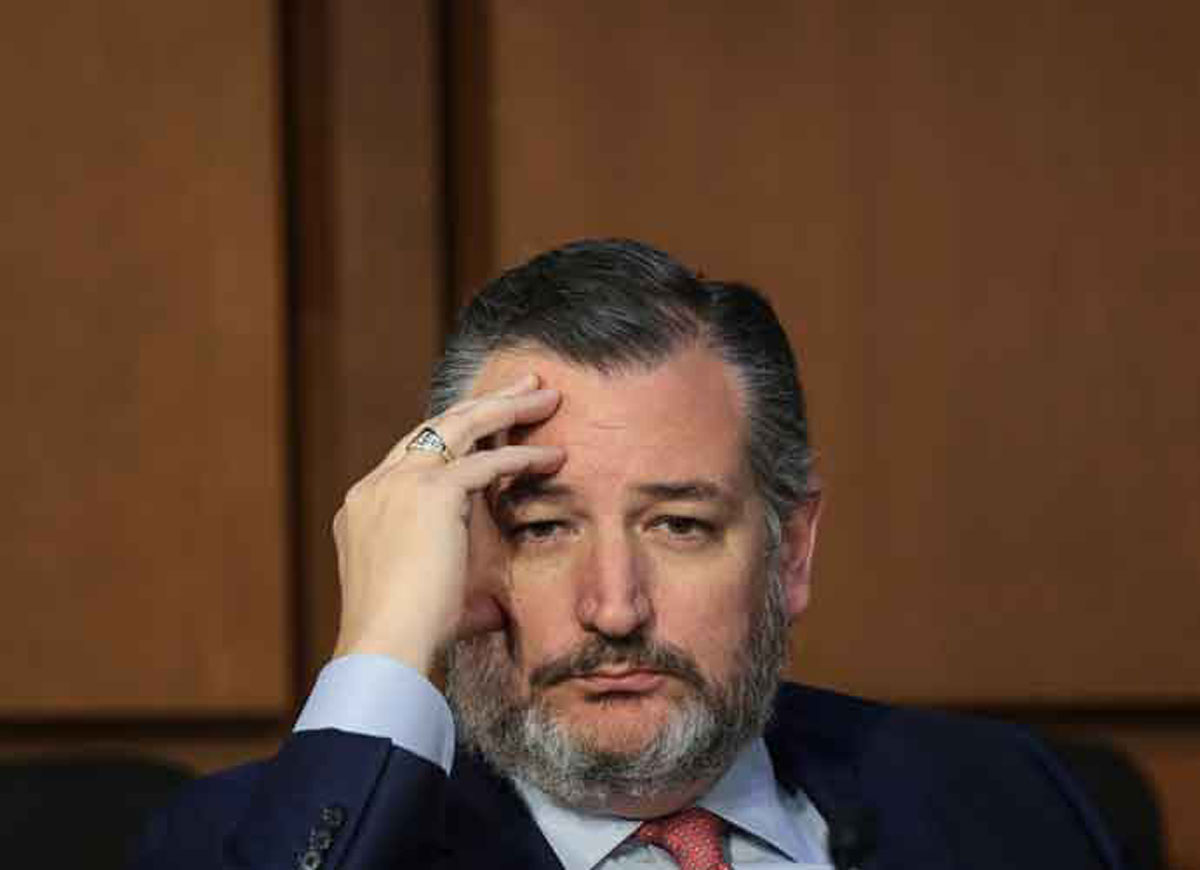
Sen. Ted Cruz, the bill’s most vocal Republican supporter alongside Sen. Maria Cantwell (D-Washington), told USA TODAY Sports before it passed that it would help curb a “spending spiral where virtually every athletic department is losing millions of dollars.”
Subscribe to our free weekly newsletter!
A week of sports news in your in-box.
We find the sports news you need to know, so you don't have to.
“The most important part of the bill is bringing order to chaos,” said Cruz, the chairman of the Senate Commerce Committee. “College sports is the Wild West. There are essentially no rules.”
The Bill has created divisions among congressional Democrats, many of whom have received pressure from civil rights and labor leaders seeking to block the bill with criticism that it would disempower student-athletes, the majority of whom are people of color.
Sen. Cory Booker (D-New Jersey), himself a former college athlete, gave a speech on the Senate floor before the legislation passed, calling it a “bill that’s going to hurt so many.” Booker’s amendment to cap coaches’ salaries was rejected.
The fact that the majority of players are black and coaches are overwhelmingly white led many critics online to suggest that it is “racist.”
“I regret this day,” Booker said. “I regret watching my colleagues do this.”
In recent years, court decisions changed the landscape of college athletics by giving athletes rights to allow them to profit from their name, image and likeness (NIL). Many critics of this decision feel universities’ finances have gone into disarray, forcing athletic programs to close and widening the gap between wealthy and less prosperous schools.
“Litigation has struck down virtually all the rules, and as a result, you have athletes going into the transfer portal two, three, four times,” Cruz said. “If Congress doesn’t act within a few years, we will see hundreds of thousands of roster slots and scholarship positions going away, and that would be a tragedy.”
The bill would codify a federal right to NIL for student-athletes. The current landscape of unlimited transfers would change, along with a temporary pause on conference realignment and guidelines for when college football or college basketball coaches can be hired from another program.
In addition, the bill would expand revenue sharing from schools to athletes up to approximately $43 to $45 million. It also includes a provision allowing schools to spend up to an additional $5 million on revenue sharing for women’s and Olympic non-revenue sports.
The bill makes the NCAA the overseer to ensure universities abide by its health, wellness, and safety standards. Schools that choose to join another conference must spend three years as an independent program before joining a new conference.
The legislation establishes a minimum standard for medical coverage, placing a floor on how much schools should spend financially, as opposed to imposing a ceiling. Universities will add more revenue-sharing funds tied to academic benchmarks, including graduation rates and Academic Progress Rate (APR) standards.
The House of Representatives will most likely meet after the midterm elections. If the bill passes the House, it would then go to President Donald Trump, who has signaled he would sign it.

Article by Arop Kual
Get the most-revealing celebrity conversations with the uInterview podcast!



Leave a comment